
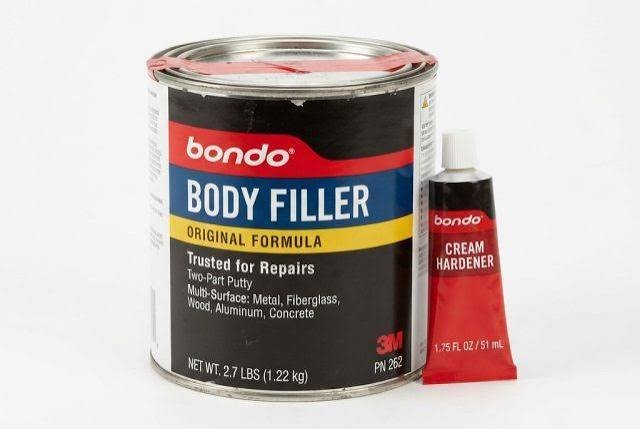
What Is Bondo 1600? A Complete Guide to This Classic Body Filler Formula
If you’ve ever heard someone say they’re going to ‘Bondo’ a dent or rust spot, chances are they’re talking about Bondo 1600—the original body filler that became so synonymous with auto repair that it turned into a verb. For over 60 years, we’ve manufactured the polyester resin compound that DIYers and professional body shops reach for when metal meets misfortune.
This guide walks you through exactly what Bondo 1600 is, how the chemistry works, where it fits in a repair workflow, and what makes it different from the dozens of other fillers on the market today. Whether you’re tackling your first fender repair or just curious why this red-and-yellow can sits on so many garage shelves, you’ll find the answers here.
The Chemistry Behind Bondo 1600: Polyester Resin and Hardener
Bondo 1600 is a two-part polyester resin system. The base is a thick, putty-like compound made from unsaturated polyester resin, talc fillers, and pigments. The hardener—a small tube of methyl ethyl ketone peroxide (MEKP)—is what kicks off the curing reaction.
When you mix a ribbon of hardener into the base filler, the peroxide initiates a chemical cross-linking process that transforms the soft putty into a rigid, sandable solid in minutes. The exothermic reaction generates heat, which is why mixed filler gets warm as it sets. This rapid cure is what makes body filler practical for layered repairs: you can apply, cure, sand, and recoat in the same work session.
The talc and other mineral fillers provide body and sandability, while the resin matrix bonds tenaciously to bare metal, fiberglass, and properly prepared substrates. According to Wikipedia’s overview of polyester resin, these thermosetting plastics have been used in automotive and marine applications since the 1940s, valued for their mechanical strength and chemical resistance once cured.
Where Bondo 1600 Fits in the Auto Body Repair Process
Body filler is not a standalone fix—it’s one step in a multi-stage repair. The typical workflow starts with metal straightening or rust removal, progresses through filler application and shaping, and ends with primer and paint. We designed Bondo 1600 to fill voids, smooth contours, and bridge minor surface imperfections after the underlying structure is sound.
Surface Preparation
The substrate must be clean, dry, and properly profiled. That means grinding or sanding down to bare metal (80-grit is standard), removing all paint, rust, and oils. Filler will not stick to painted surfaces or through contamination—it needs mechanical tooth and chemical contact with the base material.
Application and Curing
Mix only what you can spread in three to five minutes; once the hardener is blended in, the clock is ticking. Apply thin layers—ideally no more than a quarter-inch per coat—and let each cure fully before sanding and adding the next. Thick applications trap solvent, cure unevenly, and risk cracking or pinholes.
Shaping and Finishing
Once cured (usually 20–30 minutes depending on temperature and hardener ratio), Bondo 1600 sands readily with 36- to 80-grit for rough shaping, progressing to 120–180-grit for final contouring. The goal is a surface that flows invisibly into the surrounding panel before primer goes on.
How Bondo 1600 Differs from Other Fillers in Our Line
Over the years we’ve introduced lighter-weight formulas, glass-reinforced fillers, metal-filled compounds, and specialty products for plastic or fiberglass substrates. Bondo 1600 remains the original general-purpose workhorse, but it’s not always the best choice for every job.
Lighter fillers like our Bondo Lightweight spread more easily and sand faster, making them better for broad, shallow areas where weight matters. Metal-filled versions offer better thermal conductivity and a denser finish for high-end restorations. Glass-reinforced fillers add structural strength for through-rust repairs or fiberglass layup.
What sets 1600 apart is its balance: strong enough for most dent and rust repairs, dense enough to resist pinholes, and forgiving enough for first-time users. It’s the formula that built our reputation, and it’s still the one most pros grab for everyday door dings, quarter-panel rot, and fender benders.
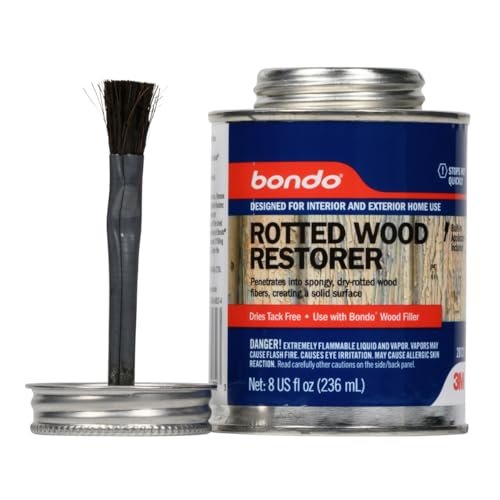
Limitations and Best Practices for Long-Lasting Repairs
Body filler is not a structural repair material. It has no meaningful tensile or shear strength; its job is cosmetic smoothing, not load-bearing reinforcement. If the underlying metal is compromised—rusted through, heavily cracked, or collapsed—the right fix is welding in new metal or replacing the panel, not piling on more filler.
Moisture is filler’s enemy. Applied over trapped rust, primer, or damp metal, Bondo 1600 will eventually delaminate as corrosion or solvent migration lifts the bond. Skipping proper surface prep is the number-one reason filler repairs fail within a year. Thin coats cure more completely and last longer than single thick globs, which trap volatiles and shrink over time.
Finally, filler is only as good as what goes over it. A proper repair sequence includes epoxy or urethane primer to seal the filler from moisture, followed by high-build primer-surfacer, block sanding, and topcoat. Left exposed, even fully cured polyester resin will eventually absorb water and UV damage, leading to discoloration and loss of adhesion.
Why Bondo 1600 Remains the Standard
Bondo 1600 earned its place in automotive repair not because it was the only option, but because it delivered consistent, sandable results at a price point that made sense for both professional shops and weekend warriors. Decades later, the formula remains fundamentally unchanged—proof that getting the chemistry right the first time matters more than chasing trends.
If you’re starting a repair, remember that the can of filler is just one piece of a larger process. Proper prep, thin coats, full cure, and quality primer are what separate a five-year fix from a five-month failure. We designed Bondo 1600 to do its part; the rest is on you.
Notes
No. Bondo 1600 is a rigid polyester filler designed for metal and fiberglass substrates. Flexible plastic bumpers require a specialized flexible filler that can bend without cracking. We make dedicated plastic fillers with elastomeric additives for those repairs.
We recommend no more than a quarter-inch per layer. Thicker applications cure unevenly, trap solvents, and are prone to shrinkage and cracking. For deeper voids, build up in multiple thin coats, letting each cure and sanding between layers.
Stored in a cool, dry place with the lid sealed, unopened Bondo 1600 will remain usable for about two years. Once opened, moisture and air exposure shorten that window. If the filler has separated, hardened around the edges, or smells off, it’s past its useful life.
Yes, always. Body filler is porous and must be sealed with an epoxy or urethane primer before topcoat. Painting directly over filler risks solvent absorption, poor adhesion, and eventual paint failure. Primer also reveals any remaining low spots or pinholes that need attention.
No. Filler applied over active rust will fail as corrosion continues underneath. The rust must be ground or cut away down to clean metal. For light surface rust, treat with a rust converter or encapsulator before applying filler to ensure a stable base.
Pinholes usually result from trapped air during mixing or applying filler over a contaminated surface. Cracks often come from applying too thick a layer, incorrect hardener ratio (too much or too little), or insufficient cure time before sanding. Always mix thoroughly but gently to minimize air, and let each coat cure completely.